To fully leverage the impact of the “Future Computing Elite” Fund established by alumnus Xu Yuzhi—supporting academic development, cultivating future talent, and strengthening the bond between alumni and their alma mater—the School of Mathematics at Renmin University of China planned and launched the “Kuande Mathematics+” Summer International Visiting Program. The initiative aims to open a global academic window for students, enabling them to gain knowledge, broaden their thinking, and enhance their academic capacity through exposure to the world’s cutting-edge developments.
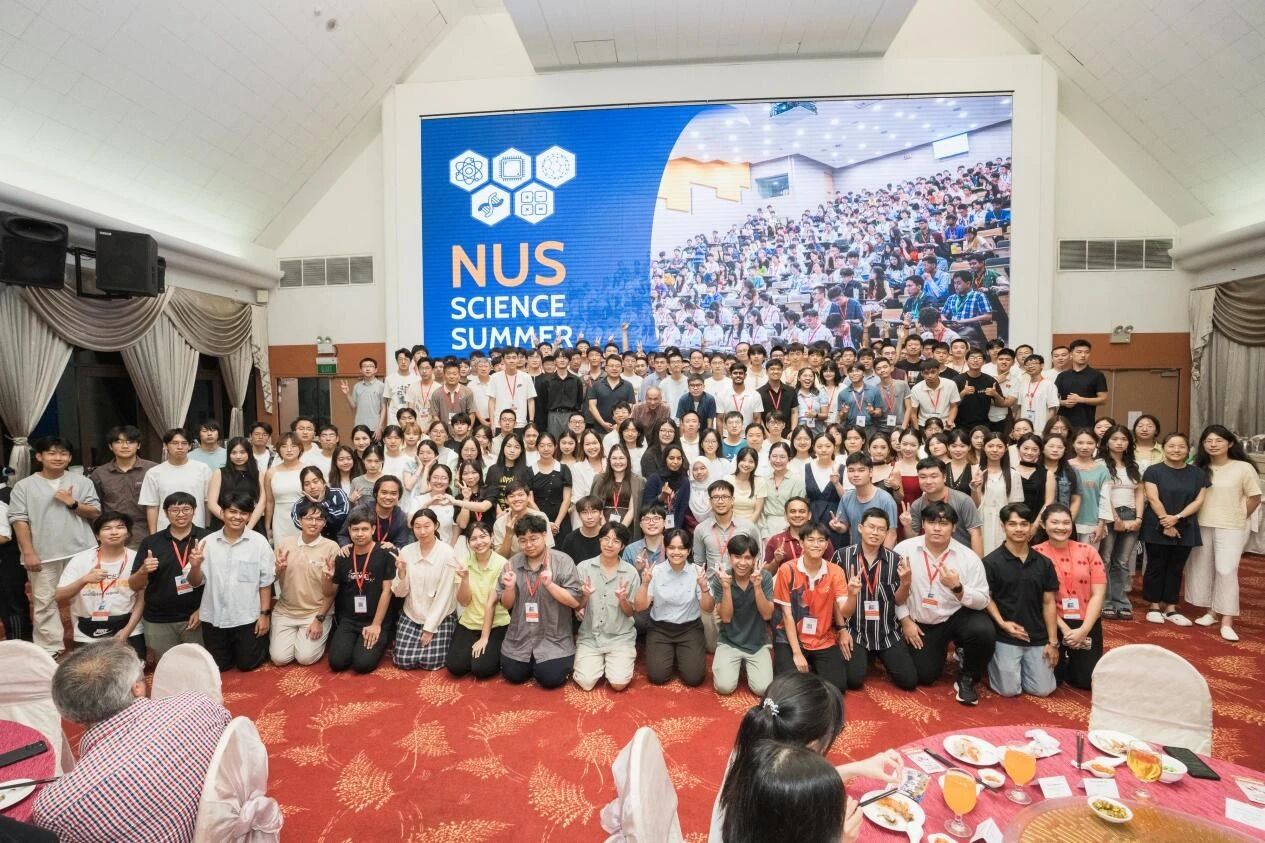
From July 7 to July 19, a delegation of 13 faculty members and students from the School visited the National University of Singapore (NUS) to participate in the Mathematics and Statistics Track of the 11-day Science Summer Institute (SSI). This program is not only a core component of the “Kuande Mathematics+” initiative but also an important practice within the School’s broader internationalisation strategy. Through English-medium courses, cross-border team collaboration, and deep cultural exchange, the School hopes that students can understand the significance of mathematics on a global stage, gain insights into the essence of academic inquiry, and explore future possibilities with a broader perspective.
As one of the top universities in Asia with a strong global reputation, NUS offers an academically rigorous environment. The SSI program focuses on frontier topics in mathematics and statistics, covering diverse areas such as quantum computing, artificial intelligence, game theory, quantitative finance, and deep learning. It attracted more than 160 students from over 60 universities across Asia. Students from the School of Mathematics at Renmin University of China engaged in learning and collaboration with their international peers—not only as recipients of knowledge, but also as active contributors to cultural exchange. With openness and dedication, they demonstrated the academic spirit and global mindset of RUC students.
Academic Voyage: Eleven Scholarly Feasts That Open New Horizons
On July 8, the program officially opened at NUS. Over the following days, eleven lectures and workshops covered a wide range of topics, including Numerical Computation in Quantum Mechanics, Graph Theory Matrices and Applications, Generative AI and Prompt Engineering, Inverse Mathematics, Introduction to Cryptography, Game Theory, Quantitative Finance, Deep Learning, Modern Portfolio Theory, and Ergodic Theory.
Distinguished scholars such as Associate Professor Cai Zhennin, Professor Zhang Louxin, Dr Liu Chunchun, and Associate Professor Zhang Lei offered their insights generously, bringing the essence of their research fields into the classroom and guiding students to the frontier of global mathematical research.
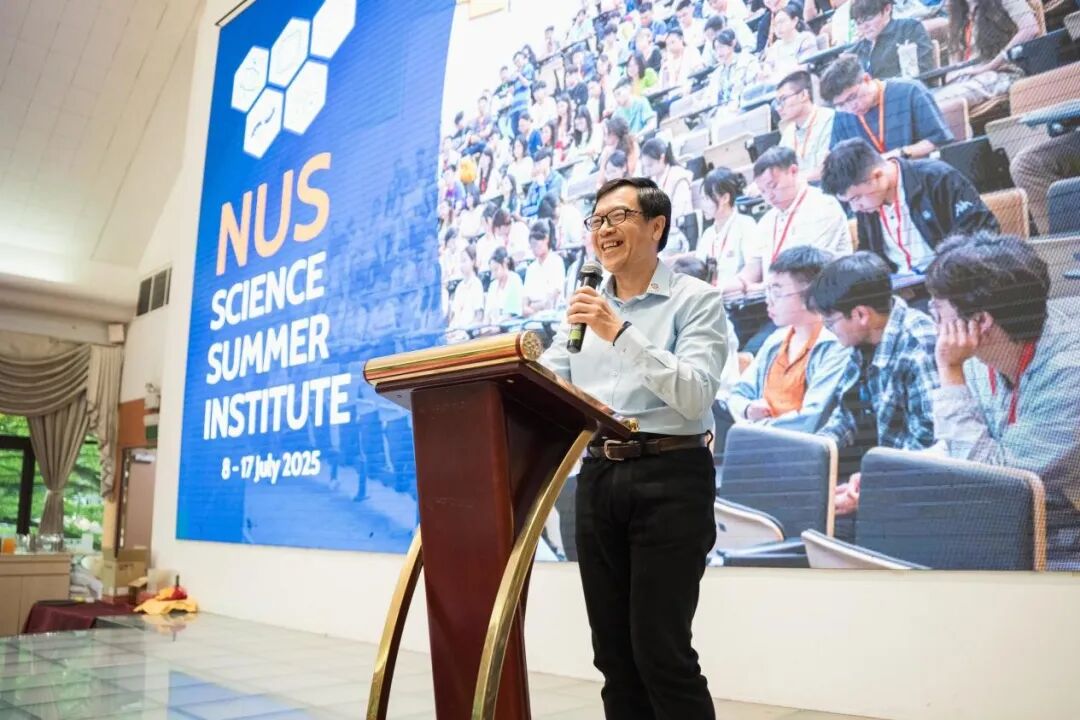
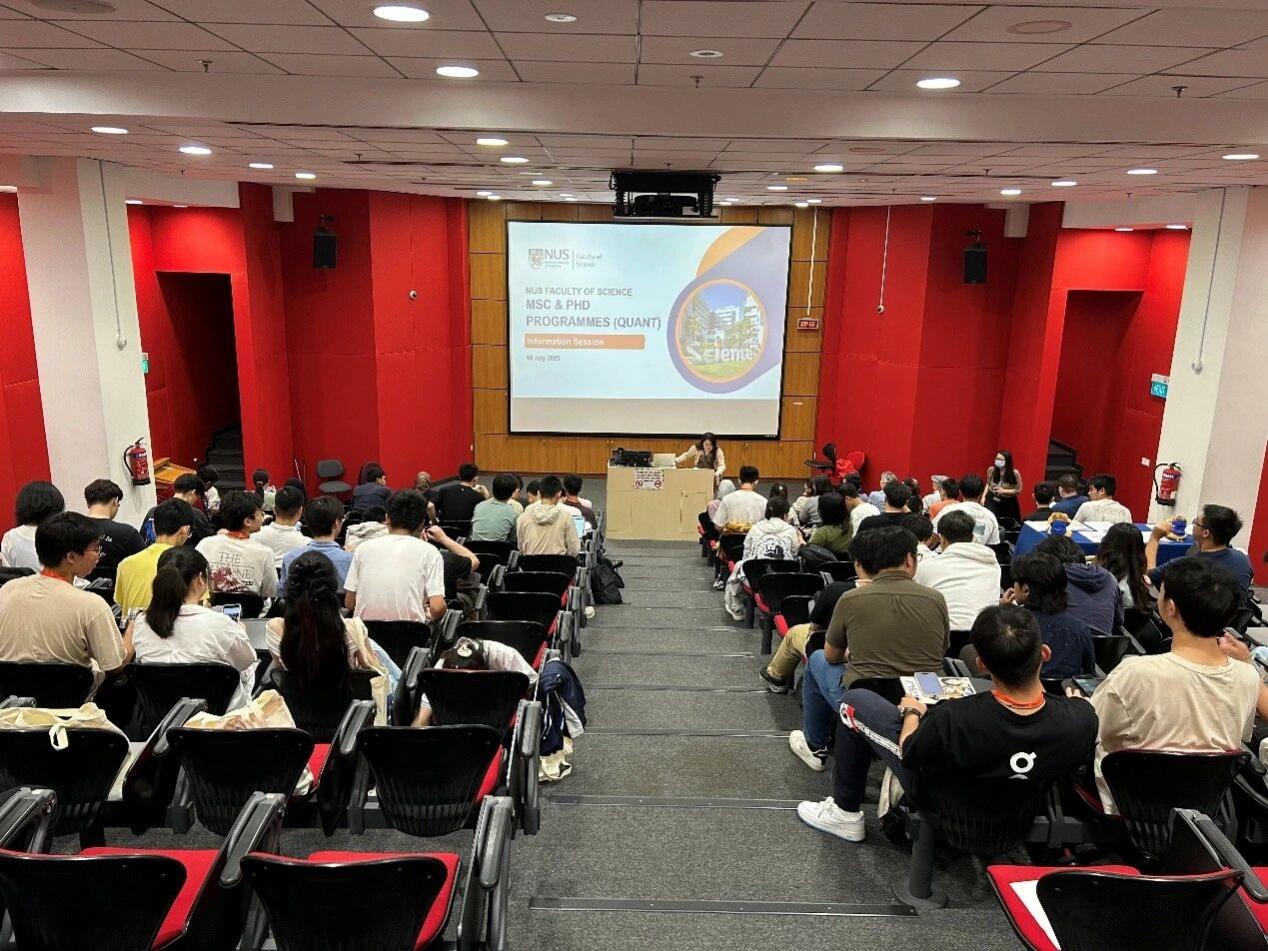
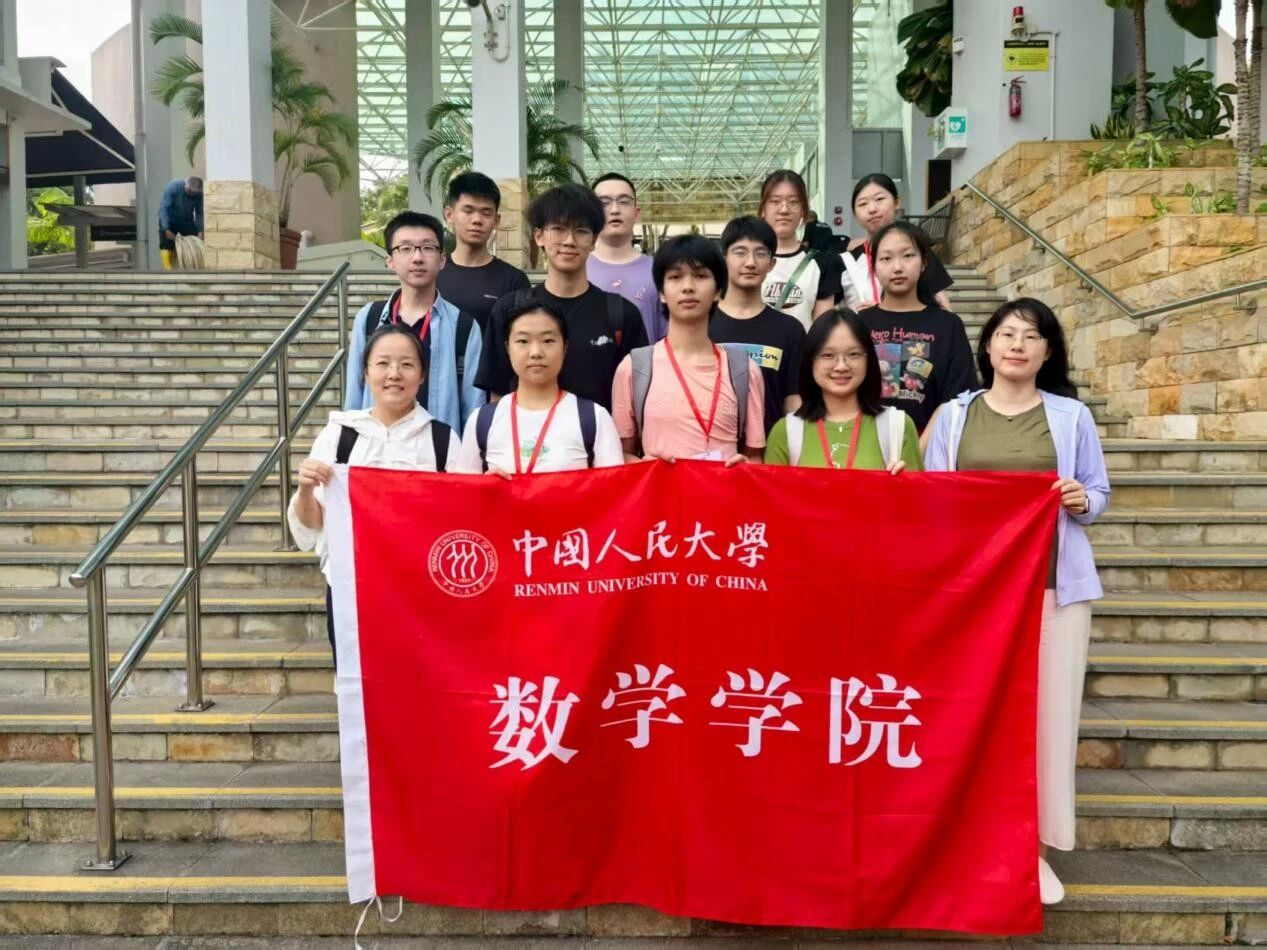
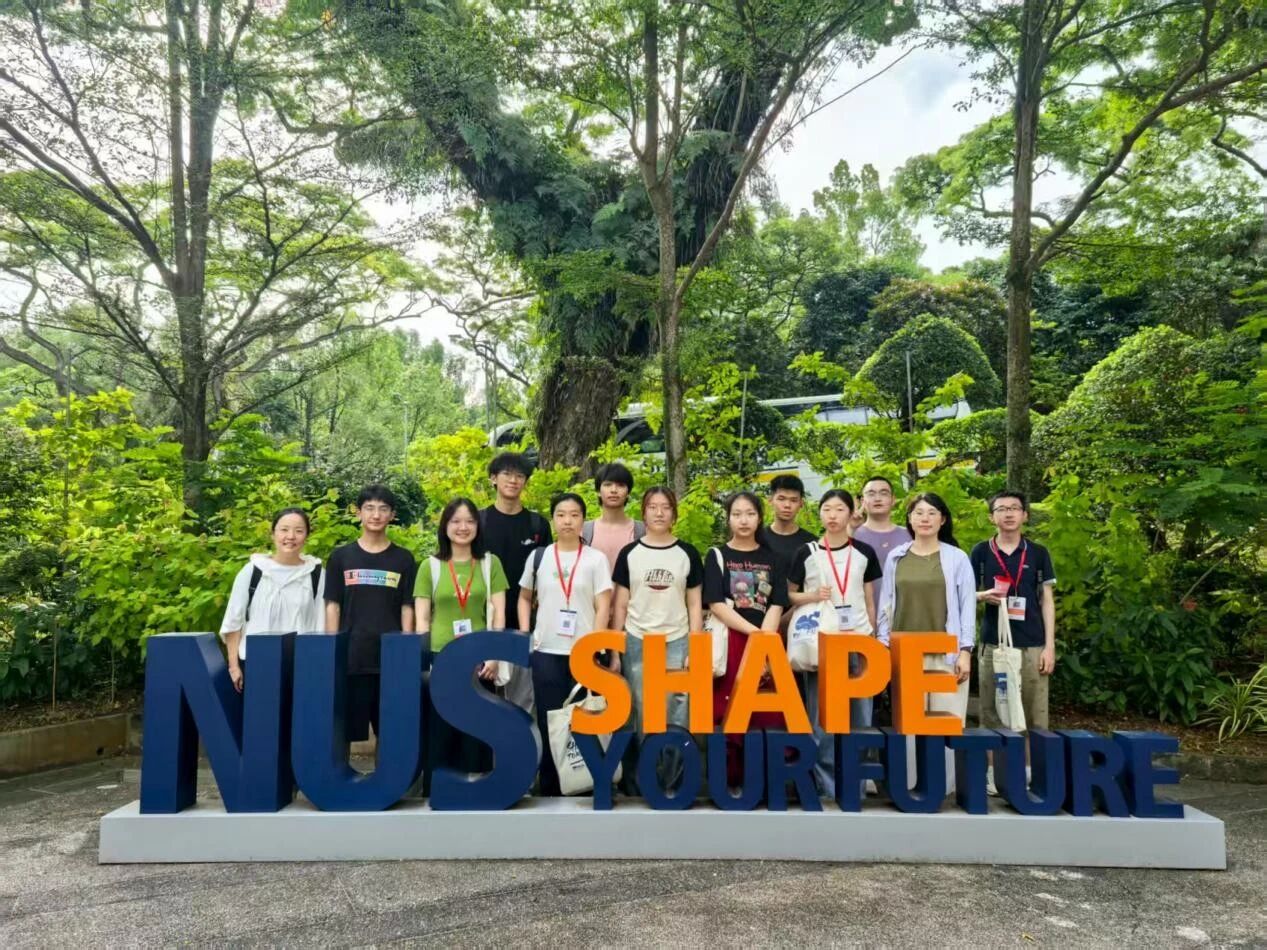
These engaging lectures not only provided students with a solid intellectual foundation but also cultivated new ways of thinking. For example, in the lecture How AI Can Support Mathematics Learning, students were introduced, for the first time, to how artificial intelligence can be applied in theorem proving, model reasoning, and even in generating novel conjectures in specific contexts. In Introduction to Game Theory, concepts such as the Nash equilibrium were brought to life through case studies like the Cournot and Bertrand models, illustrating their power in analyzing real-world economic competition.
This “from theory to application” transformation enabled students to genuinely experience how mathematics acts as a bridge between abstract concepts and practical reality.
Research Exploration: Experiencing the Beauty of Science in the Laboratory
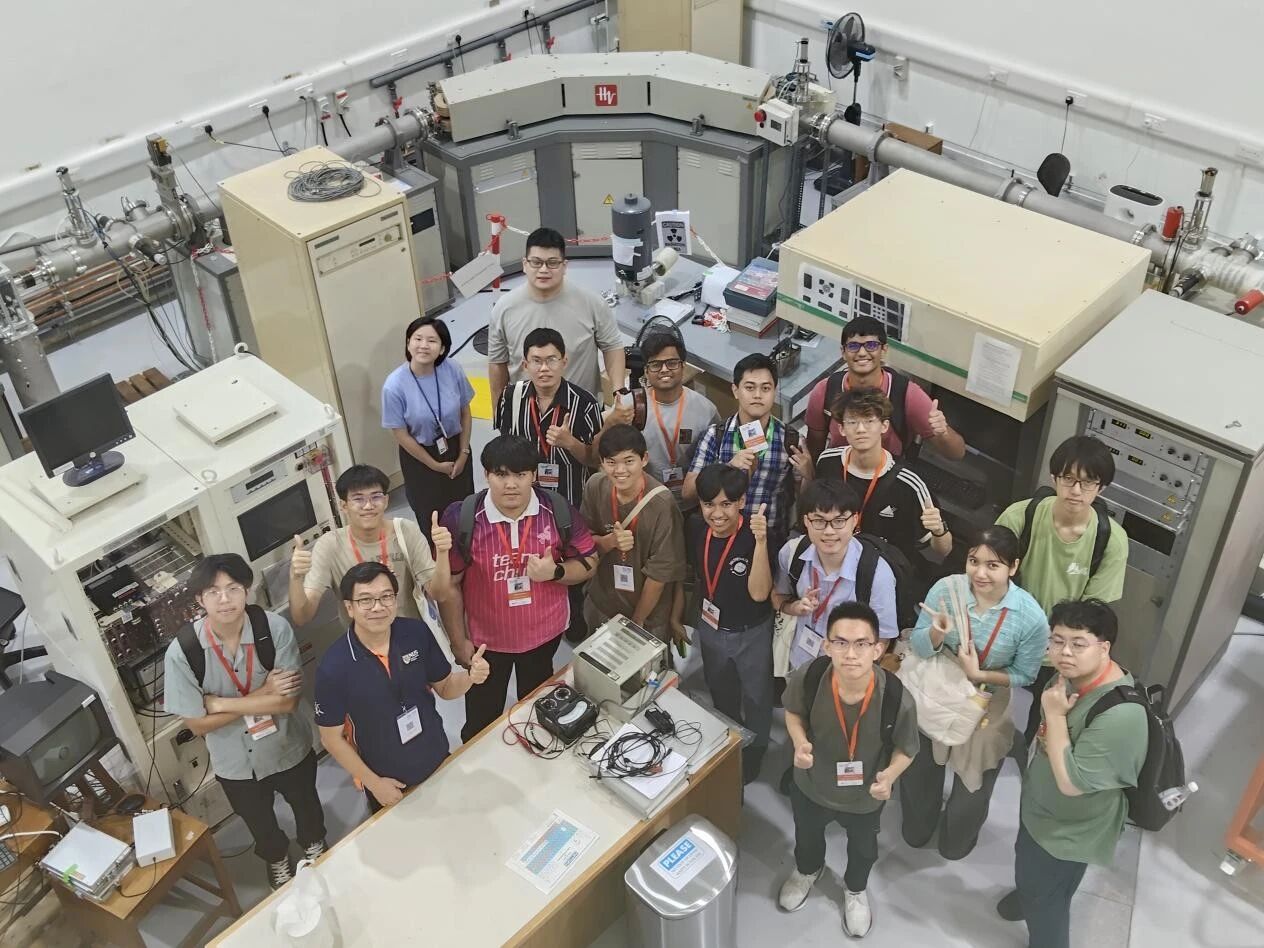
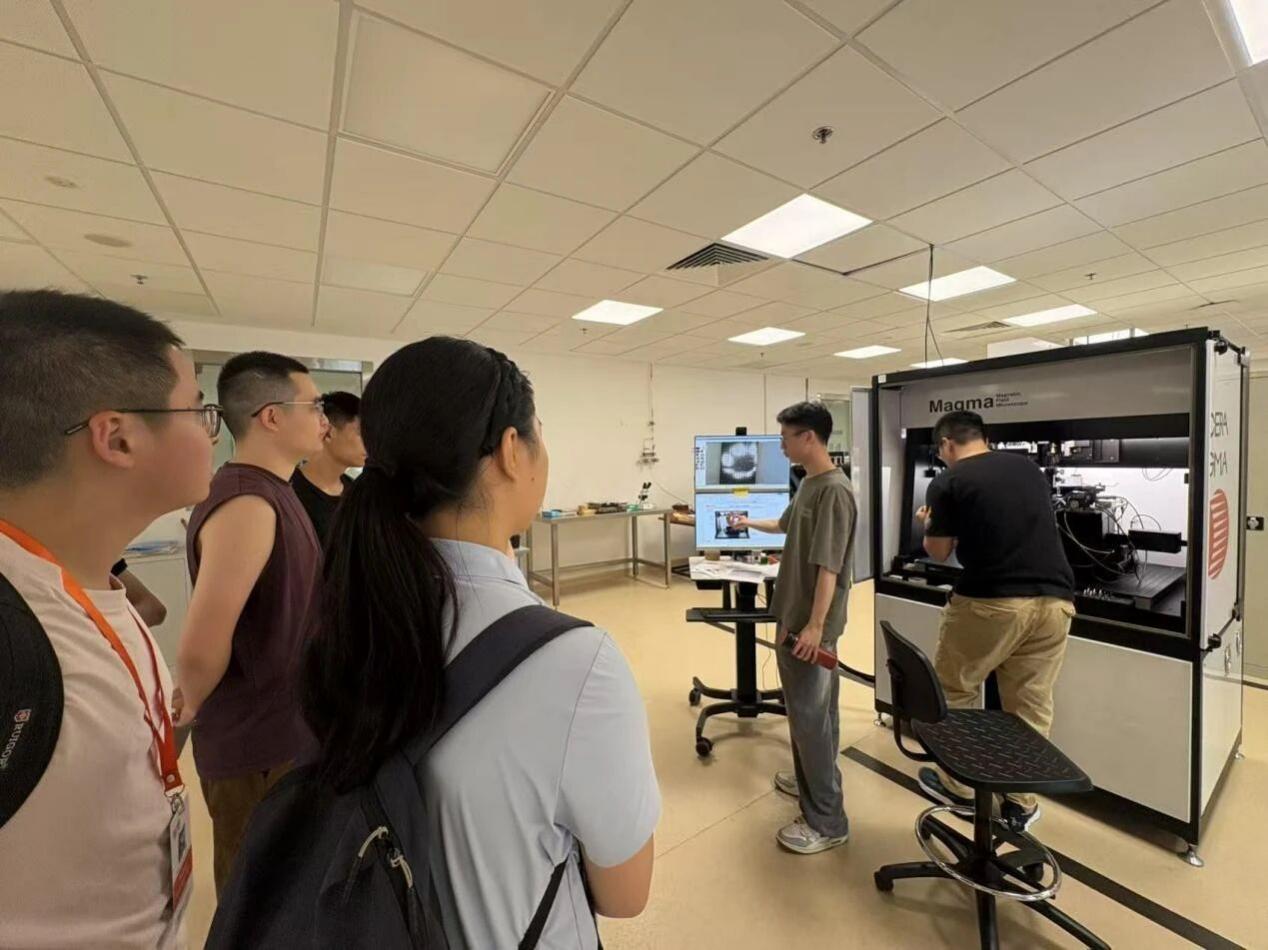
The program also included visits to the Materials Science Museum at NUS, as well as the Nanoelectronics Laboratory and Electron Microscopy Centre. Through detailed explanations and hands-on demonstrations by researchers, students gained broader scientific perspectives. From high-temperature ceramics to biodegradable biomaterials, each innovative material—developed in the laboratory and designed for real-world application—reflects the curiosity, dedication, and perseverance inherent in scientific exploration.
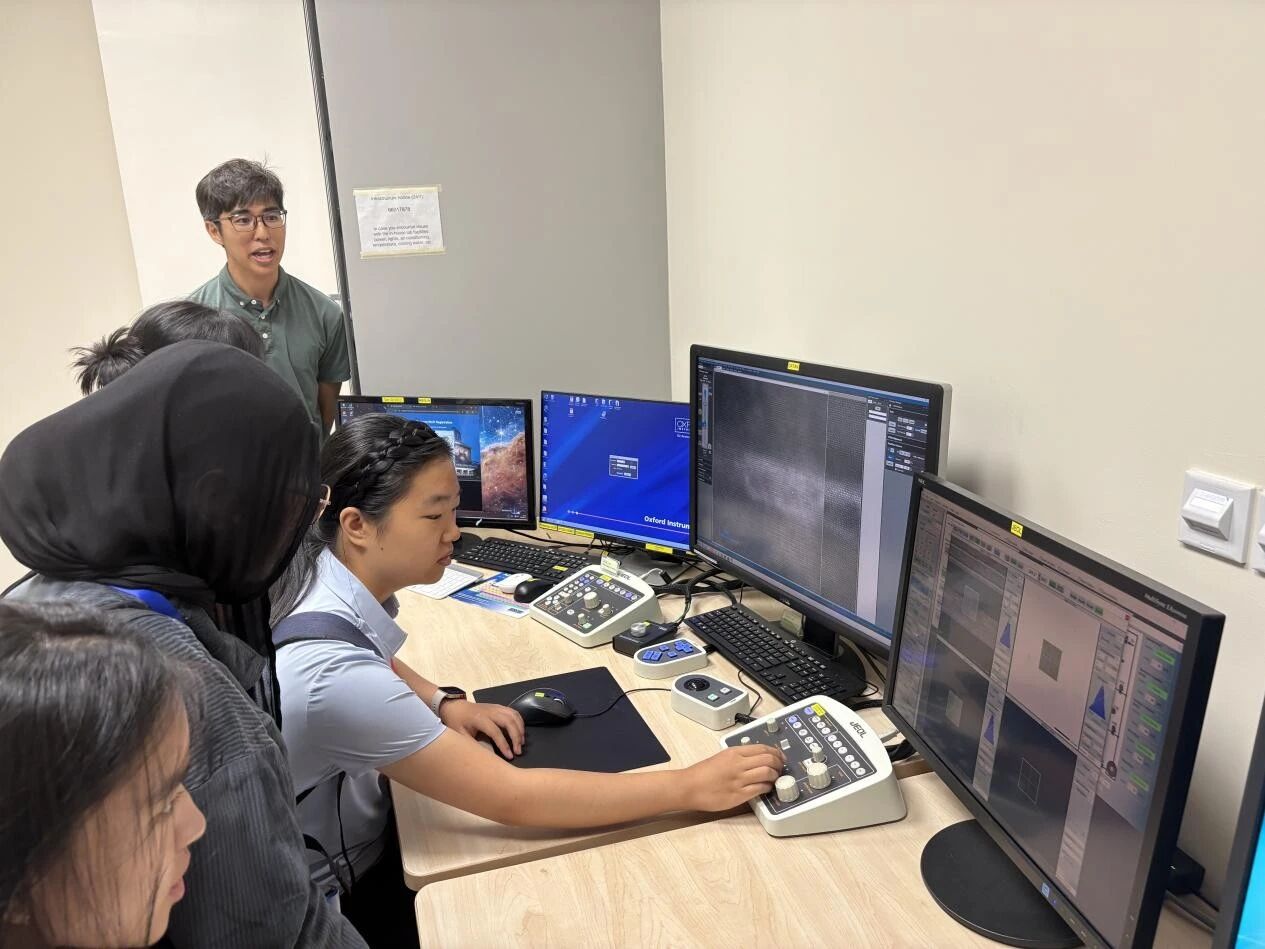
Group Research: Challenges and Breakthroughs in Cross-Border Collaboration
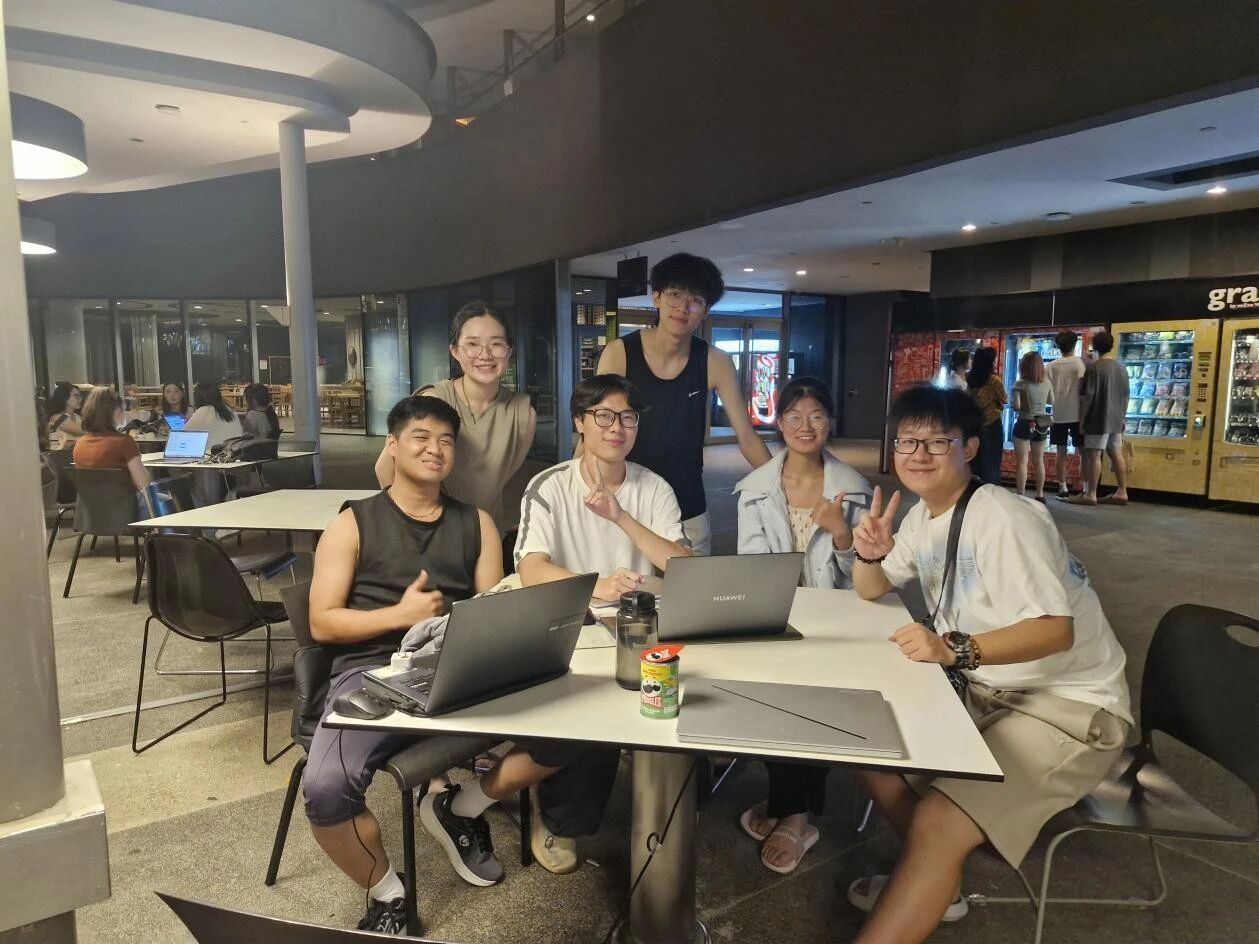
Another core component of the SSI program was the English-language group research projects and final presentations. Students were randomly assigned to groups, each comprising participants from different countries and universities, ensuring a rich convergence of diverse backgrounds and perspectives.
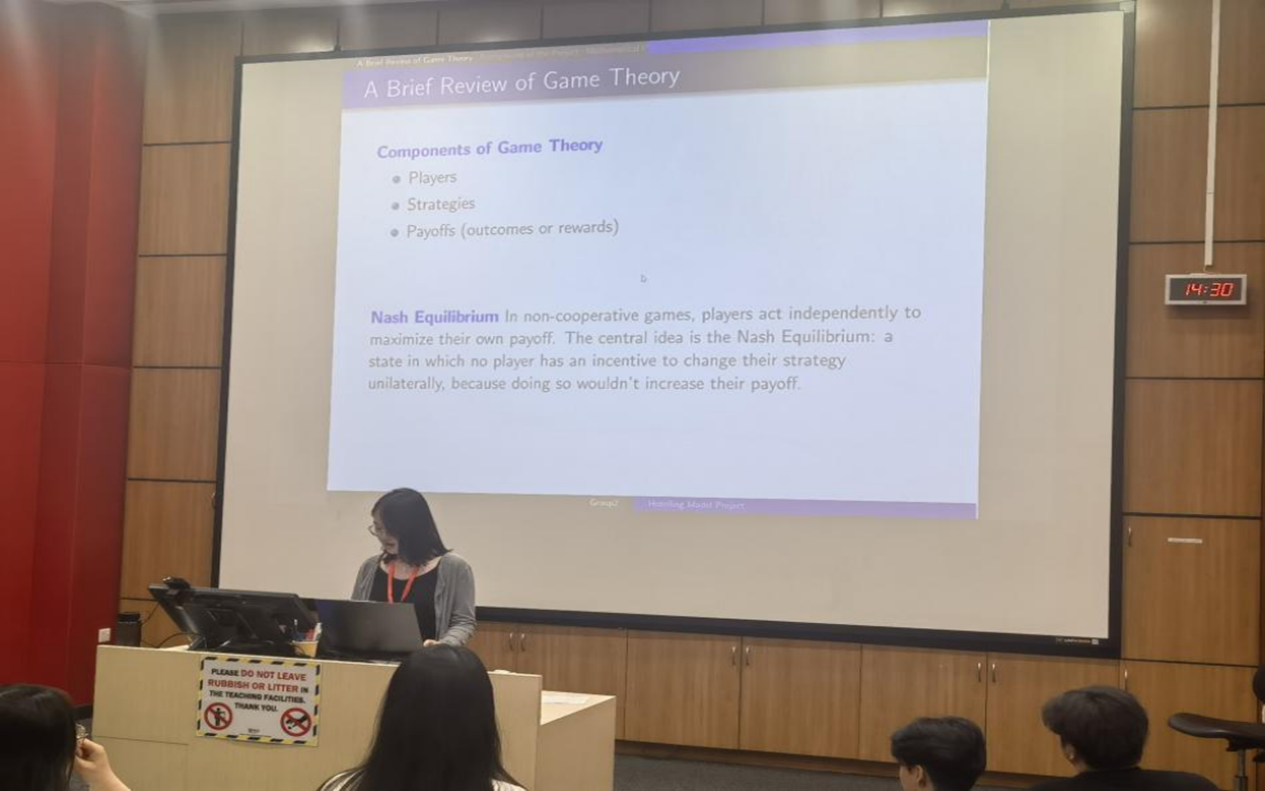
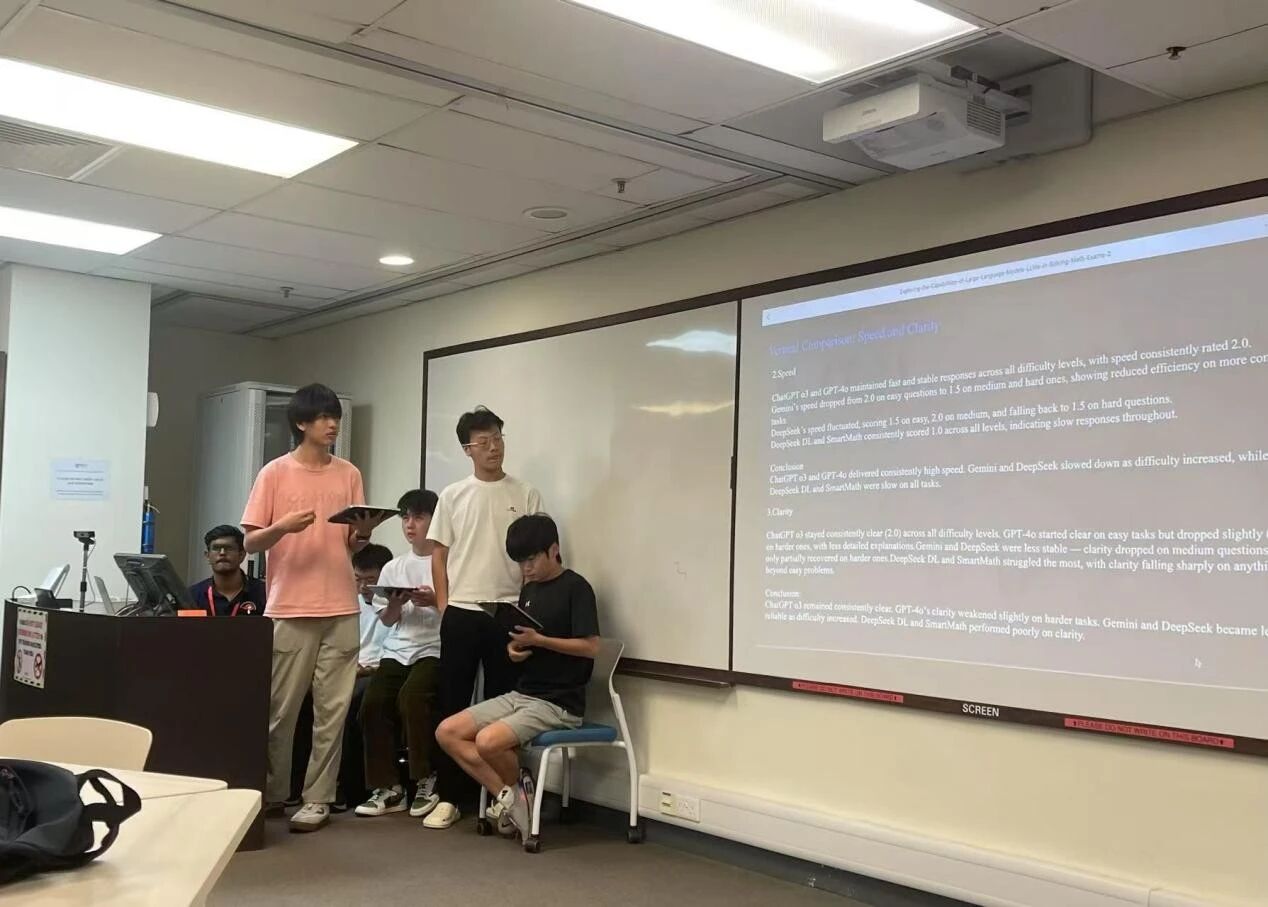
The groups tackled a wide range of challenging topics. Some investigated spatial competition strategies in the Hotelling model, exploring how firms influence market distribution through location choices. Others studied measure-theoretic entropy in ergodic theory, attempting to simplify complex concepts using everyday analogies. Some designed evaluation frameworks for large language models (LLMs) in solving mathematical problems, testing the limits of AI in mathematical reasoning. Yet others incorporated the Lean4 proof assistant into their research, comparing automated theorem proving with traditional reasoning methods.
These projects extended far beyond the scope of regular coursework. Within just a few days, students conducted literature reviews, designed theoretical frameworks, prepared presentation slides, and rehearsed their final reports. From initially struggling with language barriers to gradually establishing effective communication, and from feeling lost in unfamiliar fields to formulating feasible research plans, each group’s progress embodied the benefits of cross-cultural collaboration. Mathematical symbols and logical reasoning became a shared language, allowing students of different nationalities to map out ideas on a blank canvas and transform abstract concepts into concrete research outcomes. In the final presentations, what was showcased went beyond data, graphs, and arguments—it reflected the students’ growth, transformation, and newfound confidence.
Cultural Experience: Embracing Diversity in the Lion City
Beyond the intensive academic schedule, the program offered a variety of cultural activities, allowing students to fully experience Singapore’s unique character. Visits included landmarks such as Chinatown, Little India, and the Gardens by the Bay. In these neighborhoods, Chinese temples, mosques, and modern architecture stand side by side; the aroma of spices mingles with the scent of coffee, reflecting the city’s inclusive and multicultural identity. These experiences helped students develop a concrete understanding of what “internationalization” truly entails—not merely geographical mobility, but also observing diverse cultures, respecting differences, and appreciating coexistence.
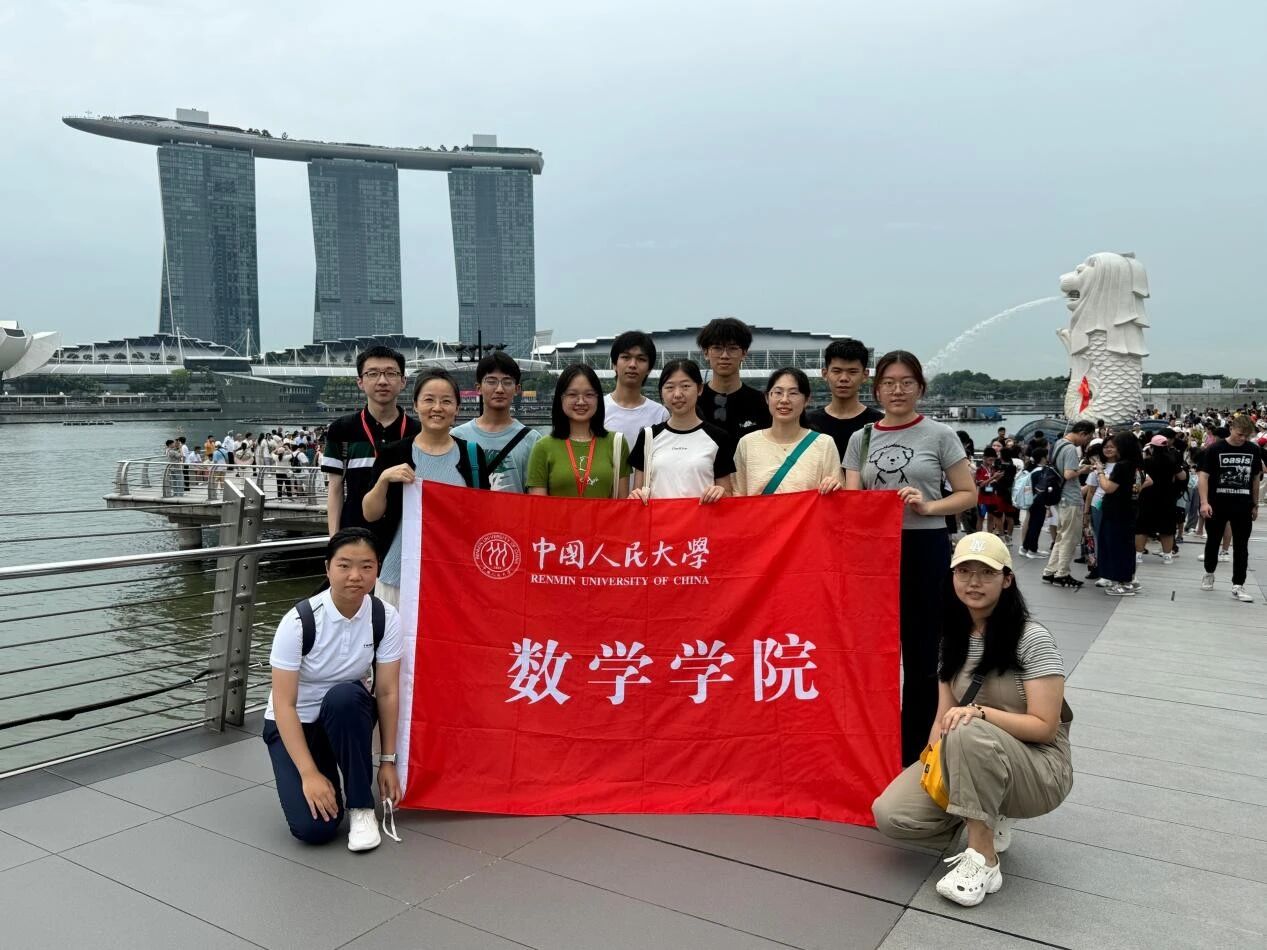
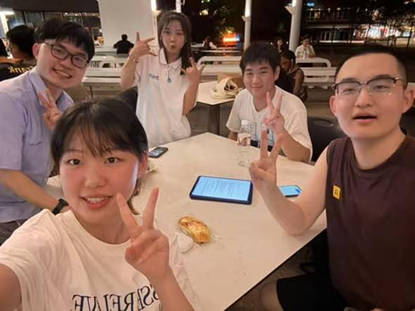
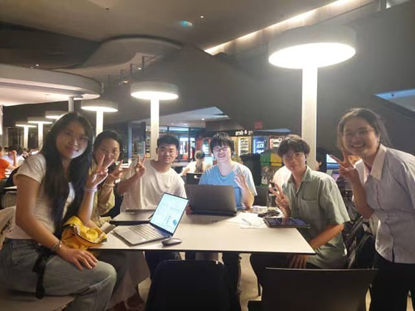
Cultural engagement went beyond sightseeing, extending into everyday interactions: discussing mathematical problems with peers from Malaysia, Vietnam, and the Philippines, chatting with local residents about food and festivals, and discovering ways to communicate across linguistic and cultural boundaries. Together, these small but meaningful moments enriched students’ understanding of globalisation and cross-cultural collaboration.
Significance of the Program: A Leap in Both Knowledge and Thinking
This 11-day visiting program was not merely a journey of acquiring knowledge, but a comprehensive enhancement of abilities and mindset. In an all-English environment, students overcame language barriers and learned to communicate clearly and accurately in academic settings. Through cross-border collaboration, they cultivated awareness of project management and teamwork. In research and presentations, they learned to organise arguments according to academic norms and analyse problems with critical thinking.
Student Reflections:
Zhang Boyu: The classrooms at the National University of Singapore were like windows constantly opening to new vistas, with each lecture offering a glimpse of cutting-edge developments across various fields. Professors used clear and engaging language to guide us through the logic of modern portfolio theory, dissecting the interplay between data and models in quantitative finance. When generative AI technologies and their applications were explored, I first grasped how artificial intelligence reshapes industry boundaries. Interdisciplinary lectures—linking chemistry, materials science, ceramics, and deep learning—challenged my preconceived notions: I realised that rigid ceramics can spark innovation when combined with flexible algorithms, and that the fusion of foundational disciplines with frontier technologies can generate countless possibilities.
Niu Zihao: In just eleven days, I experienced both a leap in knowledge and a transformation of mindset. Looking back, I understand that true growth is not measured by the number of concepts mastered or tasks completed, but by whether one has pushed personal boundaries, found the courage to express oneself in unfamiliar contexts, and learned to listen and understand amidst diversity. From initial discomfort in all-English lectures to confidently articulating ideas; from fear of cross-cultural communication to actively coordinating and building bridges; from uncertainty in unfamiliar topics to producing rigorous research results… through each challenge and adjustment, I gradually grew into a more confident learner with an international perspective.
Zhao Yimeng: Fourteen days may seem neither long enough to delve deeply into one topic nor too short—it was enough to see more, meet more friends, acquire more knowledge, and experience more cultures. The most precious part of this journey was not the formulas in my notebook or newly acquired skills, but the resilience I gained. My heart, once fearful of the unknown, now adapts to unfamiliar environments; once daunted by language barriers, it now understands that sincerity is the key to communication. As the plane left Singapore’s coastline, I knew this was not the end, but the beginning of a new journey—everything I gained during the summer school will continue to bear fruit in the future.
Chen Yiru: Over two weeks, from numerical computation in quantum mechanics to applications of graph theory matrices in the PageRank algorithm, each class opened a window to see the multifaceted projection of mathematics in the real world. Professors frequently linked course content with research cases, such as using Google’s search algorithm to explain eigenvalues or applying derivative pricing models to demonstrate probability and statistics. This connection from abstract theory to concrete application deepened my understanding of mathematics as a tool.
He Yuxuan: In an age where AI and machine computation are ubiquitous, we can calculate anything with causal relationships. Yet direct computation often drives costs beyond measure. Mathematics, through reasonable estimation within controllable bounds, reduces computational cost and improves efficiency. Therefore, I need to enhance my mathematical modelling skills while mastering basic computational abilities to keep pace with the times. Mathematics should intersect with multiple fields; through such intersections, new opportunities emerge, generating greater value.
Lin Ziyue: This summer camp, designed around a “Courses–Projects–Culture” three-dimensional framework, enabled me to achieve growth both academically and in perspective. I am grateful to the School of Mathematics at Renmin University of China for this opportunity, to the NUS SSI program team for their organisation, to Dr Wang for full support, and to Dr Liu Chunchun for his careful guidance on the Hotelling model project. I also thank my teammates for their collaboration, which made this an unforgettable practical experience.
Zhang Yuhua: NUS SSI offered me two extraordinary weeks of “mathematics classes” through cutting-edge courses and lectures. It deepened my interest in mathematics and motivated me to devote more time to research. At the same time, it provided an international platform for students from different countries to interact, enabling a deeper understanding of diverse cultures.
Chen Junyi: The NUS summer school program will remain a valuable experience in my academic journey. From abstract ergodic theory to practical data science applications, from rigorous proofs to open academic discussions, these two weeks broadened both the depth and scope of my mathematical understanding. I am especially grateful to my group members for our in-depth discussions and mutual inspiration while preparing the “Measure-Theoretic Entropy” presentation, which let me experience the power of collaborative research.
Wang Yifan: This experience at NUS provided me with an unprecedented learning opportunity. Mathematics is foundational to all STEM fields, capable of linking and empowering knowledge across disciplines. These two weeks reinforced my understanding of this fact and strengthened my determination to master mathematics. Additionally, I realised that English proficiency is not only about exams and problem-solving, but also about understanding others and expressing ideas clearly—something that became particularly evident during lectures. I will use this experience as an opportunity to continue improving my English communication skills.
Qian Zexuan: Looking back on this fulfilling and exciting summer school, the challenging mathematical proofs, intense class discussions, and moments of awe in the laboratory have all become valuable nourishment for my academic growth. I leave Singapore with a broader perspective: mathematics is not merely formulas in textbooks, but a key tool for understanding the complex world. As Hilbert said, “We must know, we will know.” This experience has ignited my passion for exploring infinite possibilities and strengthened my determination to pursue a path in mathematical research.
Xie Jiayi: Through this exchange, I have made significant progress both academically and personally. Academically, I gained a deeper understanding of diagonal arguments and learned how to apply them to practical problems. I also mastered the use of mathematical and computational tools in interdisciplinary research, providing new directions for future study. This experience clarified my plans for further learning and career development. Interdisciplinary research is the trend of the future, and I will continue to explore the intersection of mathematics, computer science, and other fields.
Conclusion: Bridging Exchanges Toward a Broader Future
The Summer Visiting Program at the National University of Singapore, supported by the Kuande Mathematics+ International Visiting Program, was successfully completed through the meticulous organisation of the School of Mathematics at Renmin University of China and the close cooperation of the NUS Department of Mathematics.
Looking ahead, the School of Mathematics will continue to strengthen partnerships with world-class institutions, leveraging high-quality resources to cultivate mathematical talent with international vision, innovative spirit, and academic responsibility. By integrating both the analytical rigour and creative potential of mathematics, the School aims to respond to the challenges and opportunities of our time, drive innovation and breakthroughs in interdisciplinary fields such as artificial intelligence and computer science, and contribute new momentum to the development of mathematics education and research in China.